

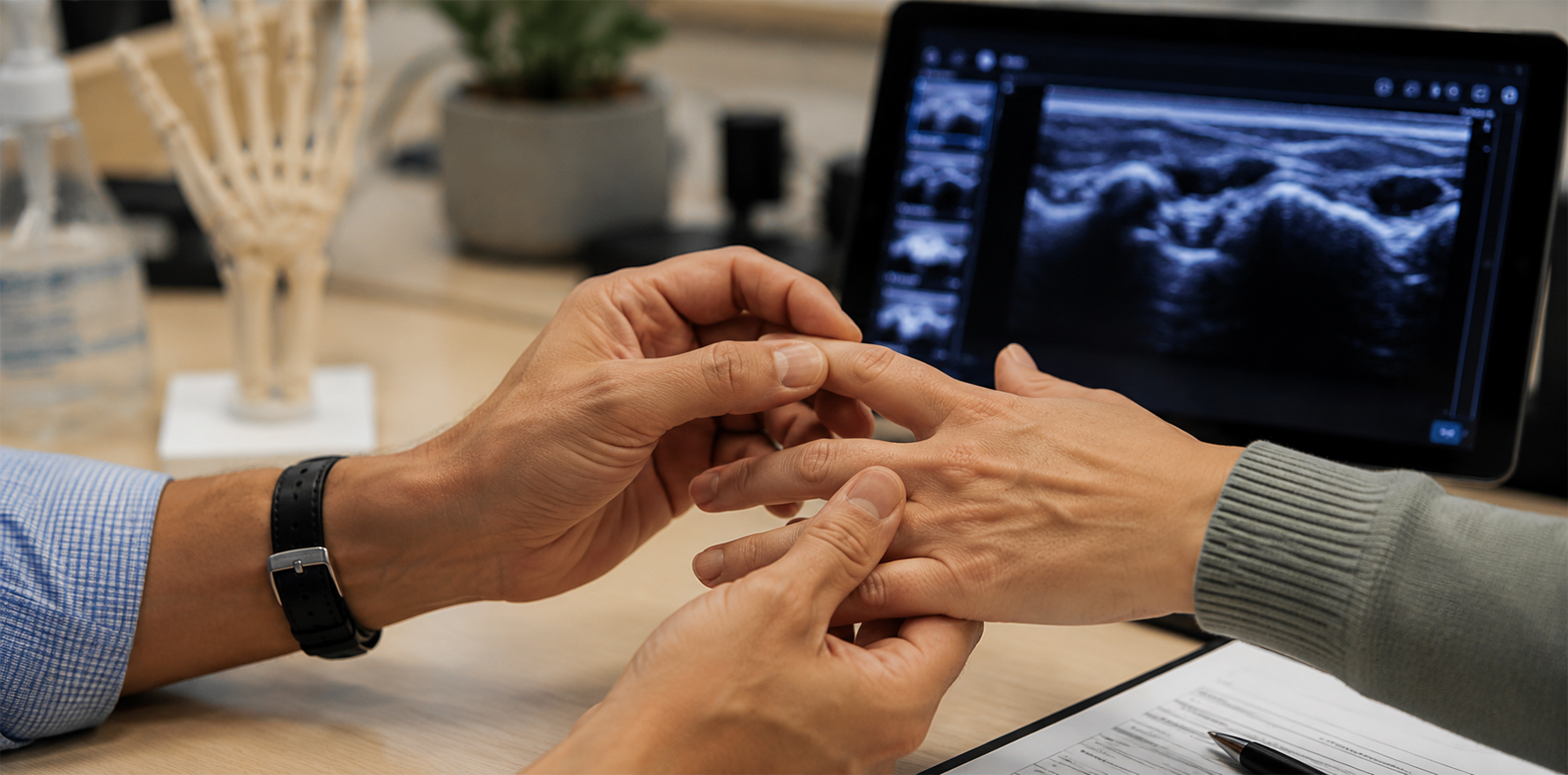
A self-funded private-practice training model delivered strong patient satisfaction, broad clinical exposure and near break-even finances, offering one potential answer to Australia's rheumatology workforce challenge.
Self-funded advanced trainee positions in private rheumatology can be financially sustainable and highly valued by patients, according to a real-world Australian pilot that aimed to bridge the gap between where rheumatologists train and where most care is actually delivered.
With most rheumatology care occurring in community settings rather than hospitals, private practice owners are being urged to play a larger role in training the next generation of specialists, despite the financial and logistical hurdles involved.
New data presented at the ARA Annual Scientific Meeting 2026 suggested a self-funded advanced trainee (AT) model could deliver meaningful clinical exposure, high patient satisfaction and, under the right conditions, modest financial returns.
Sydney-based rheumatologist Dr Irwin Lim outlined the evolution of a private-practice training initiative at BJC Health.
He said that traditional hospital-based training no longer reflected the reality of modern rheumatology practice.
Rheumatology workforce shortages have been well-documented, yet dedicated funding streams for private-practice training remain elusive, with no obvious government funding mechanism, Medicare item number, or support pathway through the Royal Australasian College of Physicians.
“Unfortunately, all our training virtually is not in the private practice realm, and this is where we can improve things,” he said.
“The ARA obviously wants to help advocate for more increased training areas. I personally am not so positive on this, looking at how all the governments are going with their budget.
“The central question is, how do you actually make it viable in private practice when you don’t have third party support and when the advanced trainee cannot access Medicare.”
The first pilot involved a non-core advanced trainee who had completed 2.5 years of core training and worked 0.5 FTE in 2024.
Patients attended a “dual consult” model, spending an hour with the trainee, followed by a 30-minute consultation with the supervising rheumatologist. New patient appointments were billed privately, and access to Dr Lim’s waiting list was contingent on participating in the combined consultation model.
The experience highlighted marked differences between hospital and community rheumatology, Dr Lim told delegates.
“I could see where the gaps of a hospital training were; they were just not right for private practice, particularly in the concept of treating chronic pain, and very difficult patients,” he said.
“The range of biologics she [the trainee] had access to and had used before in hospitals were really quite limited compared to what we would use in our practices.”
Related


According to trainee feedback, private practice offered a different patient mix, higher clinical volumes, and closer supervision than many teaching hospitals.
Dr Lim described the intensive mentorship model as rewarding but noted that appointment management and administrative oversight were crucial to making the system work.
Financially, the 33-week pilot almost broke even. The practice incurred more than $45,000 in employment and setup costs, while generating an additional $42,000 in billings compared with standard practice activity.
Although the analysis did not account for room utilisation, administrative burden or medico-legal risks, Dr Lim estimated the net cost of training the advanced trainee at around $3000.
Patients appeared receptive to the model. Surveys conducted over four months produced a Net Promoter Score of 71, with most respondents rating the tandem consultation approach as very or extremely effective.
Encouraged by the results, BJC expanded the concept in 2025 to a full-time non-core training year.
The position combined three days of consulting with dedicated learning time that included exposure to allied health, practice management, education initiatives, clinical trials and business operations.
The trainee also committed to remain with the practice for a year after obtaining fellowship, helping offset the costs of training, and ensuring continuity of care for newly referred patients.
Over 51 weeks, the full-time trainee participated in more than 1000 consultations across a broad case mix spanning inflammatory arthritis, osteoarthritis, connective tissue diseases, crystal arthritis, and chronic pain conditions.
Despite extended periods without billable activity due to leave, conferences, public holidays and study commitments, the model generated an additional $120,000 in gross billings against employment costs of about $109,000, producing a modest net benefit to the practice.
Patient satisfaction remained high, again achieving a Net Promoter Score of 71.
Dr Lim’s presentation also highlighted alternative private-practice training models in Geelong and Sydney, supported through a mix of pharmaceutical grants, practice funding and the NSW/ACT ARA Non-Core Year Grant.
“At the end of it, there was a really good outcome because the trainee continued practice in Geelong and subsequently word of mouth led them to be able to recruit some younger rheumatologists,” he said.
“When I asked the principals what they thought about the financial thing, in the end, they said it was clearly loss-making, even though they didn’t have to pay the salary, but it was still a very good experience for them.”
While these programs were generally viewed as educationally valuable and successful in attracting trainees into regional and private practice careers, Dr Lim acknowledged they were difficult to replicate at scale and often remained loss-making once opportunity costs were considered.
However, he told delegates that the benefits extended well beyond trainee education. Private-practice training could strengthen recruitment pipelines, support workforce growth, and enhance practice reputation, he said.
The bigger question for practice owners, was whether they were willing to absorb the additional complexity and costs required to make it happen.
The ARA 2026 ASM was held on the Gold Coast from 16-19 May.
